
There were magnificent temples as a part of the Hindu culture. But unfortunately, History never taught us about them though some are no longer there. Through this blog I shall try to project their beauty and glory.
1.Martand Sun Temple, Kashmir
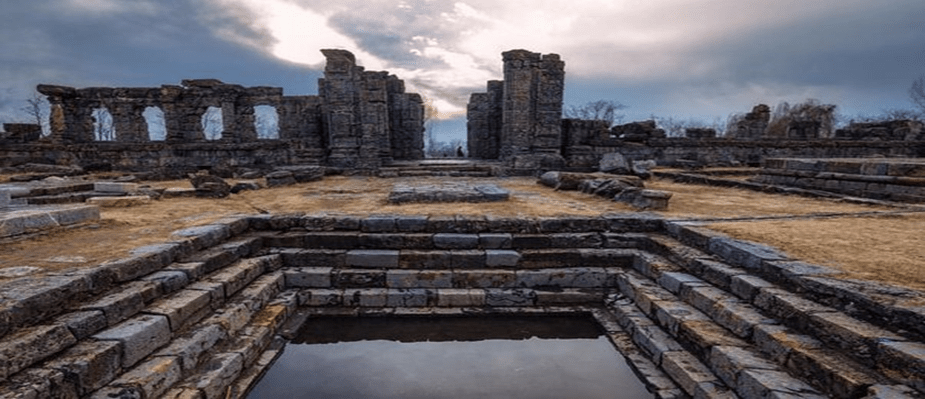

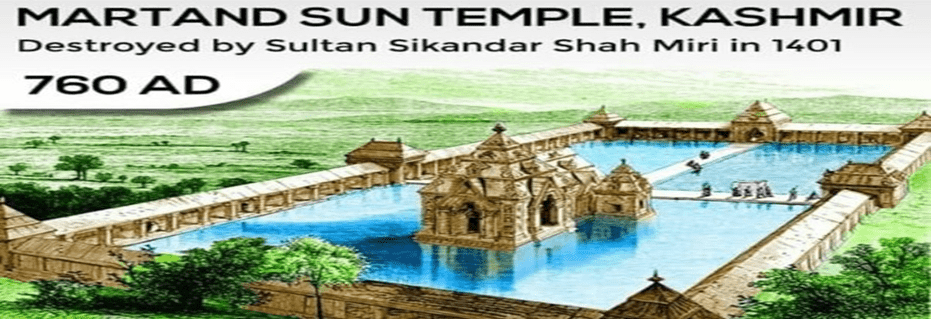
The ruins of this temple are situated 45 kilometers from Pahalgam in Kashmir on the Srinagar -Pahalgam route. It is around 7 to 8 kilometers from Anantnag. It was the most magnificent and spectacular monument of early India. Taj Mahal would look to be nowhere in comparison if this temple had survived the invaders. It is said that Harmandir Sahib – Golden Temple architecture is very similar to this structure.
This temple was built between the 7th and 8th century by King Lalitaditya, the third ruler of the Karkota dynasty. The entire temple and its surroundings were built on top of a plateau and constructed of limestone. Martand, is a Sanskrit name for the Sun God.
It was destroyed by the Muslim invader Sikander Shah Miri Butshikan. It is said that the soldiers took 13 months to destroy this glorious temple. It was a very strong temple built with interlocking stones. The spires were of solid gold and the roof was gold coated.
It is said that the song in film “Andhi”- Tera Bina Zindagi Se Koi Shikwa To Nahi- was shot here.
2.The Konark Sun Temple at Orissa
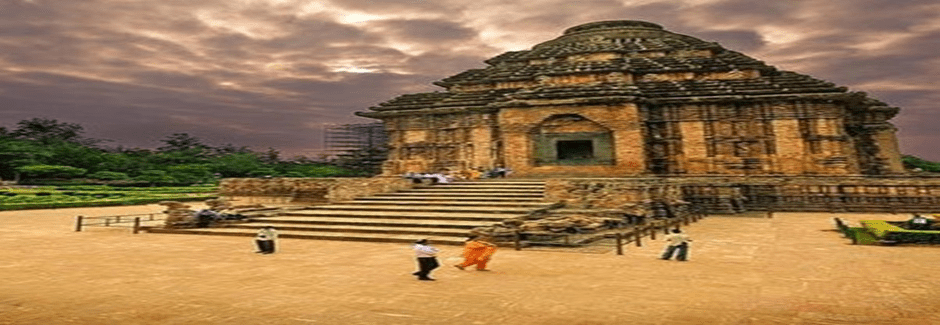
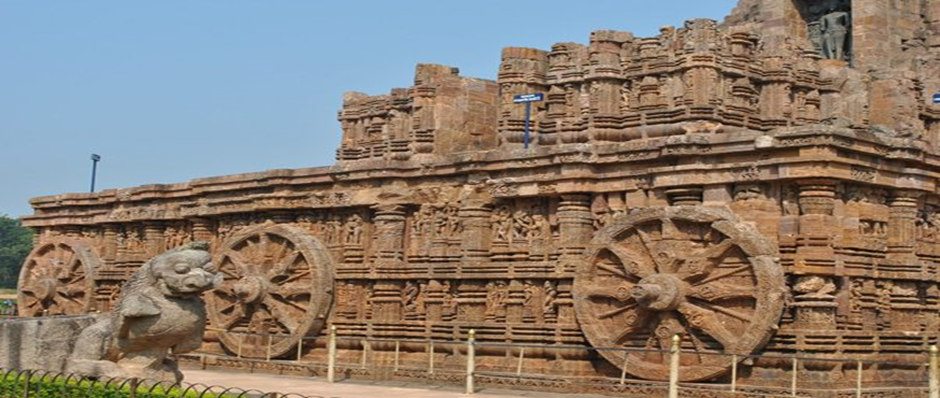
The Konark Sun temple is situated in Eastern part of Odisha near the sacred city of Puri. This temple known for its architectural magnificence and for the sophistication and plethora of sculptor work.
The Word Konark comes from the combination of two words “Kona” and “Arka”. which means “Corner” and “Sun”. This temple was built in the 13th Century by King Narasimhadeva 1 of Eastern Ganga Dynasty in 1250 CE. This temple is considered to be an UNESCO World Heritage Sites declared in the Year 1984
Konark is a symbol of the priceless connection in the history of the dissemination of the cult of Surya, which originated in Kashmir during the 8th century, and finally reached the shores of Eastern India.
3.The Krishna Temple – Mathura
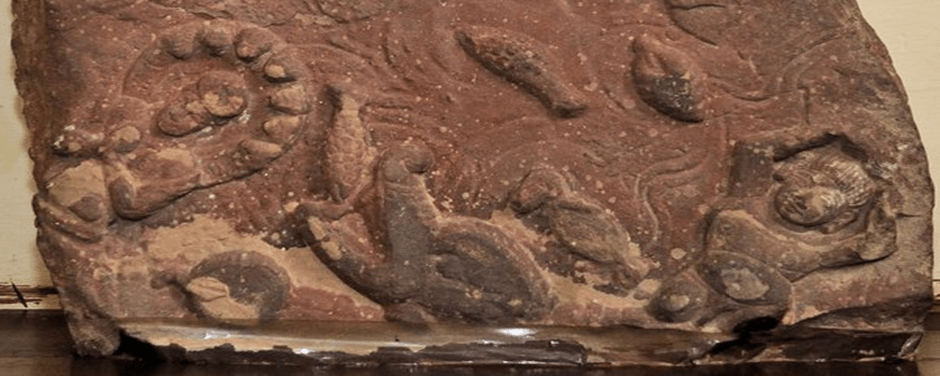
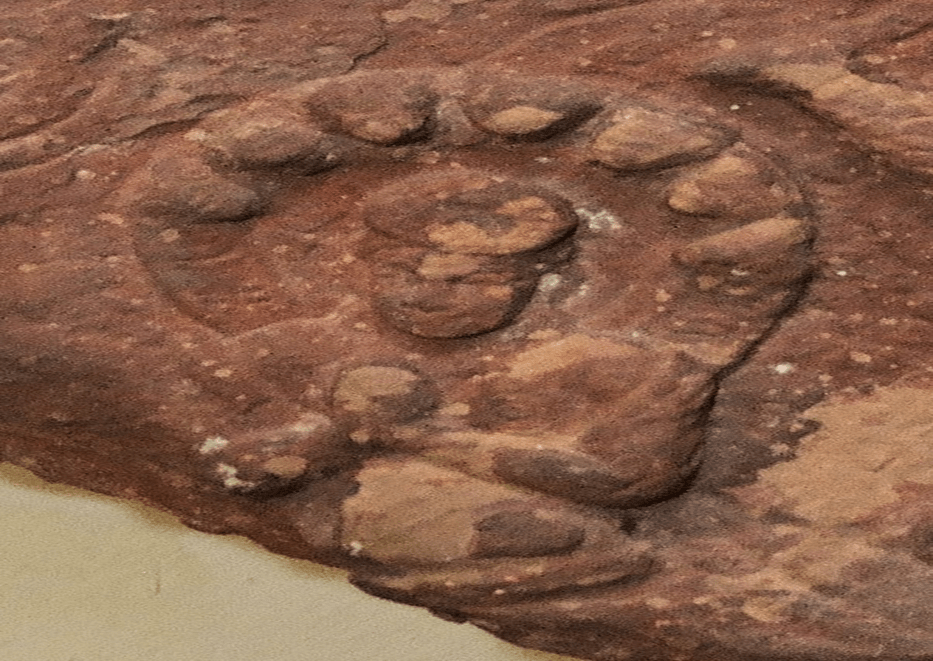
According to our Hindu Tradition, Krishna and Balaram were born there. Their parents were Devaki and Vasudev. When Lord Krishna departed from this world, the temple was built by King Vajranabha, the Great grandson of Lord Krishna.This place was known as “Katra” in the ancient times. It means a market place as there existed a huge and flourishing market at that place.
This holy city was rebuilt and destroyed time and again by various invaders like Mehmud Ghaznavi, Qutubuddin Aibak, Feroz Shah Tuglaq and finally razed to the ground by Sikander Lodhi in the fifteenth century.
4.Rudra Mahalay – Siddpur
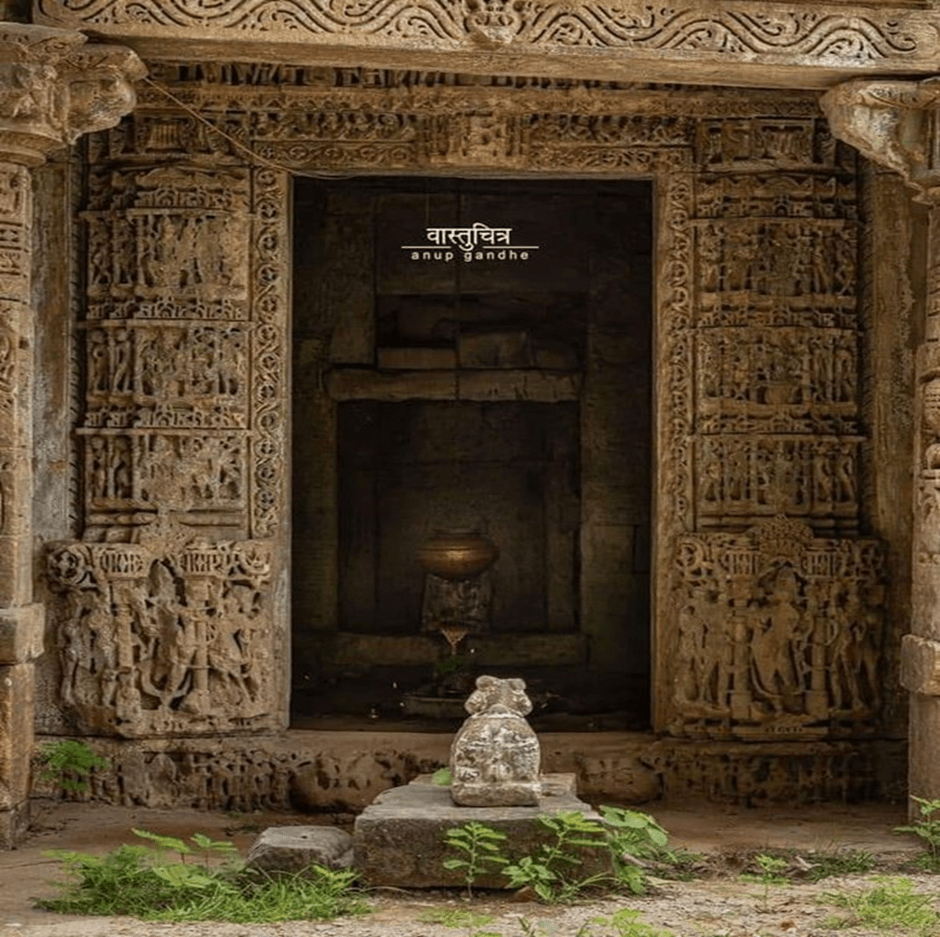
The Rudra Mahalaya Temple, was a Temple compound at Siddhpur in the Patan district of Gujarat. It is at present in a state of ruins. As per records available, its construction was started by King Mularaja in 943 A.D and completed in 1140 A.D by a ruler Jayasimha Siddharaja of the Chalukya dynasty. It was destroyed by the then Sultan of Delhi , Alauddin Khilji and again razed to the ground and demolished by the Sultan of Gujrat, Ahmed Shah I.
The architecture calls for magnificence having three storied shikaras, with 1600 pillars and about 12 wide entrances, with a central assembly hall and porches on three sides.
5. Meenakshi Temple, Madurai

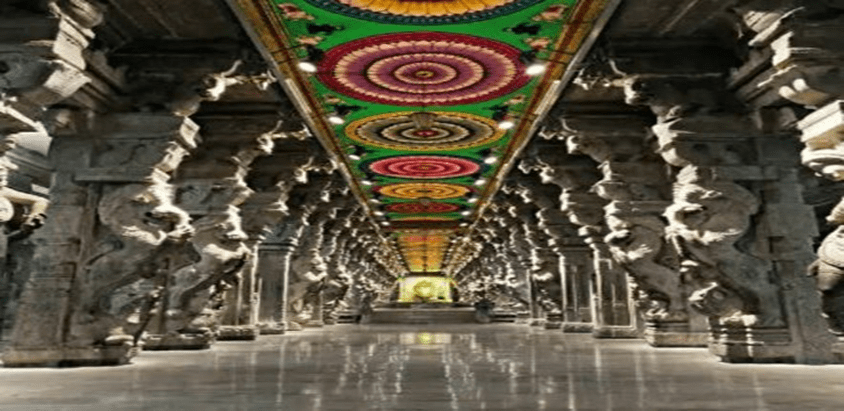
Meenakshi Temple is one of the most important temples in India. It is located in Madurai. This temple has a great mythological and historic worth. This temple is world famous for its amazing construction. This Meenakshi Temple was designated as one of the marvels of the world.
Meenakshi Temple dates back to the 1st century C.E with scholars claiming it to be as old as the city itself. Kulashekarar Pandyan, built the temple as per the commands given in his dream by Lord Shiva.
This temple has 14 gopurams and 33,000 statues including two golden sculptured vimanas that is the tower above the sanctum. The southern gopuram is the tallest of them all and has a height of 170 feet. The most prevalent detail about the temple is that it has a hall that has 1000 pillars, a holy pond with a golden lotus, countless small monuments, gardens, and elephant shelters.
If we look at history, the temple was completely destroyed. On alternative time, everything in the temple was looted by armies of the Delhi Sultanate. To be detailed, this plunder happened in the 14the century AD by the Muslim invaders. The temple was rebuilt throughout the 16th century.
Madurai Meenakshi Temple has many things to disclose and it rightly points to one of the oldest civilizations in the world which existed in Tamil Nadu. The temple and the archaeological possessions related with this temple speak volumes of the history of Tamil Nadu.
You will rarely find such a rich ancient civilization that vigorously stimulated Art and Social progressivism.
6.MadanaMohan Temple, Vrindavan –
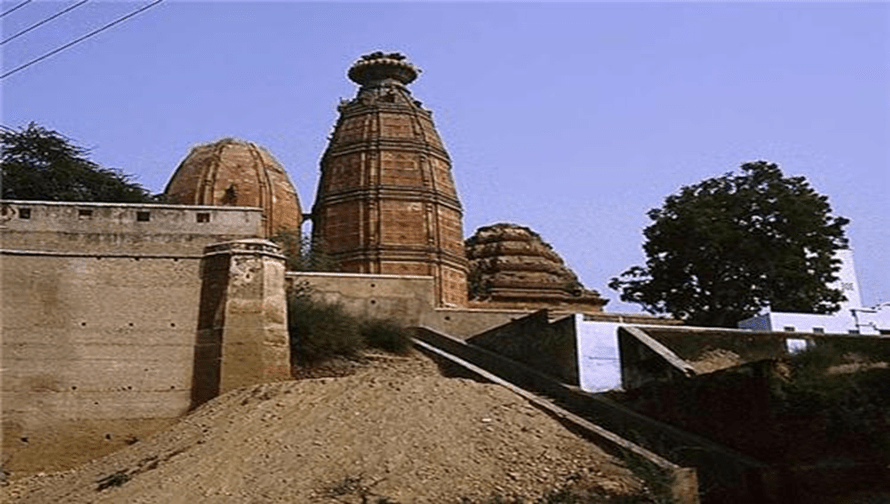
This temple is located near Radha Madan Mohan Ghera, Dusyat, Vrindavan. The place is surrounded by abundant greenery and the silently flowing river behind it. It is an attractive vision to observe. Madan Mohan temple is one of the most ancient temples in Vrindavan.
History tells us that this temple was built by a businessman from Multan named Kapur Ram Das. He built it under the supervision of Shri Sanatan Goswami in the 15th or 16th century to be precise.
It is said that during Aurangzeb’s rule, King Jai Singh clandestinely transported the original Madan Mohan figurine to Jaipur overnight before Aurangzeb invaded the Vrindavan and Mathura temples. King Gopal Singh repositioned the deities to Karauli in Rajasthan. Thus, the original idols are now located at Karauli, Rajasthan’s Madan Mohan memorial.
Madan Mohan’s original idol resembles Krishna from the waist down. In the 18th century, people found a duplicate of Madan Mohan in Vrindavan’s Madan Mohan memorial. Nand Kumar Basu again built the temple at the foot of the hill near the Yamuna River in the 19th century.
The temple has the Nagara or North Indian architectural style. It is built on a stone podium in red sandstone with stepladders leading up to the main temple platform. Today,Radha Madan Mohan Temple, located on the banks of the Yamuna River near Kaliya Ghat, is 50 feet tall.
It is considered as one of Uttar Pradesh’s most widespread Goswami monuments. The complex carvings on every inch of the temple leaves all guests enthralled. Each of them is carved by hand, that makes you gaze and appreciate it even more.
These Nagara-style temples do not usually have secure border walls or designed gateways. They are open from all sides.
Every day, devotees serve ‘Anga Kadi,’ a famous and beloved dish of Lord Krishna here. Fable believes that Saint Sanatana Gosvami cooked a simple meal to bring to Lord Krishna because he was a saint with nothing to offer. It is said that he used to go to Mathura or to nearby places to get gram and wheat flour. He used this to make ladoos, which he would serve as prasad to the Lord. Even now, devotees make prasad in the same way to present before Madana Mohan.
7.Kashi Vishwanath Temple
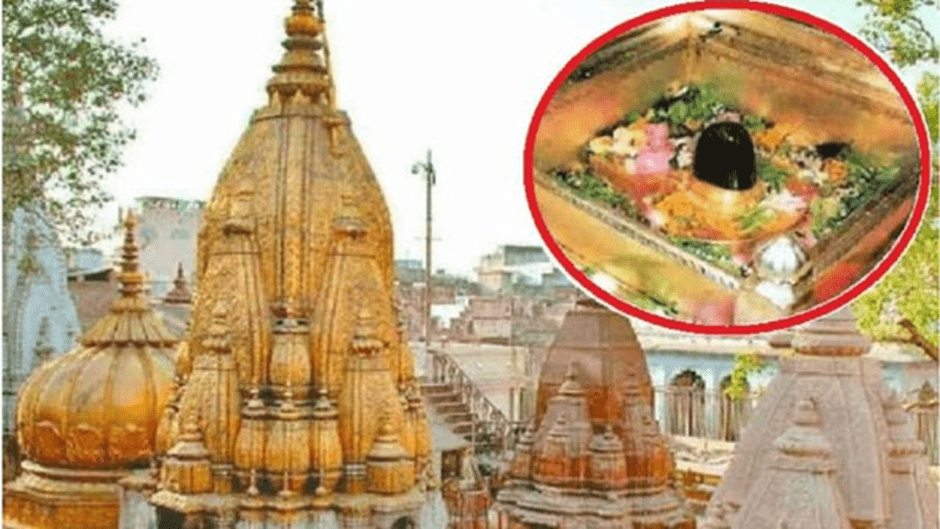
Created by the convergence of the Varuna & Asi rivulets with the holy river Ganges, Varanasi, or Kashi is said to be one of the most respected cities in India.
The Kashi Vishwanath temple is one of the most popular temples of Lord Shiva. It is standing on the western banks of the holy Gang. This tranquil temple is one of the twelve Jyotirlingas and is located amongst the crowded lanes in the holy city of Varanasi. It is believed that Varanasi is the place where the first Jyotirlinga revealed itself. This was that scorching pillar of light which broke from the earth’s crust and flared right to the Heaven. It was through this light that Lord Shiva proclaimed His Supremacy over all the other Gods. Thus, the Kashi Vishwanath temple, also known as the Shri Vishweshwar Temple, is said to be very dear to Lord Shiva.
Kashi Vishwanath temple was built, destroyed, rebuild, demolished, captured and claimed many times. It is known as the golden temple of Varanasi, because its three domes are made up of pure gold.
It is amazing to see how this temple has stood the frequent tests of time and still stands in all its glory, even after several invasions. The temple has been mentioned in the Skandh Purana.
In 1780, Malhar Rao’s daughter-in-law, Ahilyabai Holkar constructed the present temple next to the mosque as a temporary measure.
In 1853, Ranjit Singh of Punjab donated 880 kg of gold for ornamentation of the temple’s top.
8.Somnath Temple- Gujrat
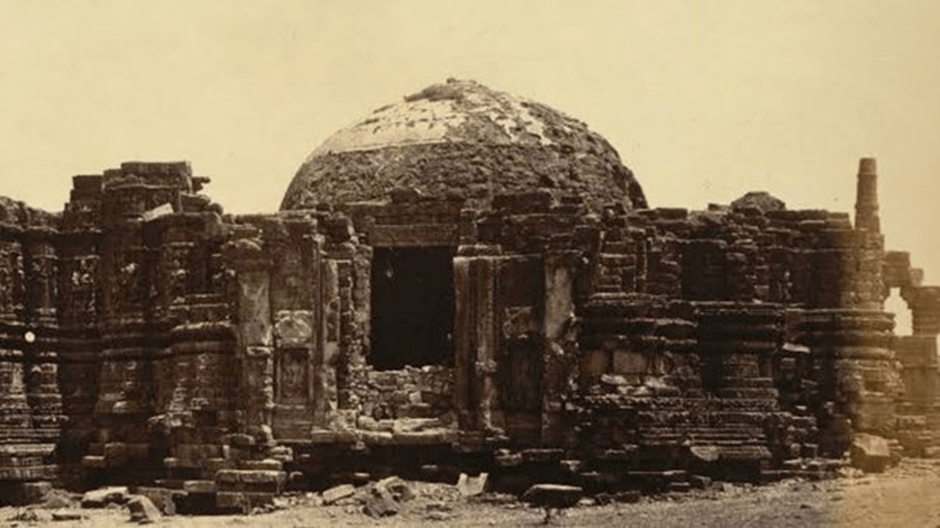
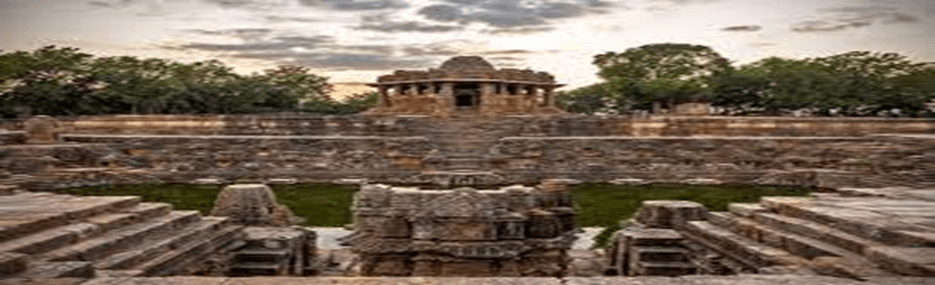
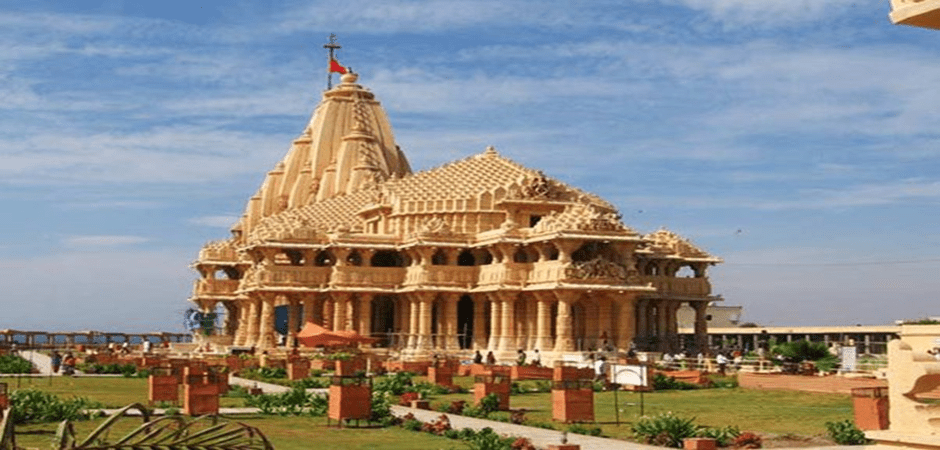
The Somnath Temple was formed and demolished 8 times. There is a captivating Fable that backgrounds the origin of Somnath known as Prabhas Patan during Krishna times.
This is the place where Krishna breathed his last. It is believed that the first temple was constructed by Soma the moon God in gold. There from, the name Somnath. The next one was built by Ravana in silver. The third one was built by Krishna in Sandalwood.
If we were to discard the legends, we have to acknowledge the fact that King Bheemadev of Anhilwad built the first Temple at the present site in stone and this one is said to have existed before the beginning of the common era and therefore counted as the first temple.
Thereafter the second temple is said to have been built by the Vallabhbhai Chieftains, the Yadavas. This temple was constructed probably in the 7th century in 725 CE. The Arab governor of Sindh province, Junyad, destroyed the temple.
In the third attempt, the Pratihara King Nagabhata rebuilt it in the 9th century with red sandstone. In 1024 century CE , Mahamud of Ghazni crossed the Thar desert and plundered all the riches and destroyed most of the temple including the main Shiva Lingam.
Fourth time the temple was constructed by the Paramara King Bhoj of Malwa and later by the Solanki King Bhima of Anhilwara in the 11th century.
King Kumarpal of Pali replaced the wooden structure with the stone structure so that the temple would be V shaped.
By the end of 1296, the temple once again destroyed by the Turkic Afghan, Sultan Alauddin Khilji’s army. According to some, Raja Karan of Gujarat was defeated and forced to flee. 50,000 people were put to death and 20,000 slaves were captured.
Thereafter, Mahipal Deva the Chaudsena King of Saurashtra rebuilt the temple in the early part of the 14 century and his son Khengar installed the shiv lingam around 15 years later. This was the sixth Somnath Temple.
In 1375, the temple was again attacked by Muzaffar Shah, one the Sultans of Gujarat. Somnath was plundered again later by Mohammed Bhega, another Sultan of Gujarat, in 1451 .
The final blow to this temple was in 1701, when the temple was destroyed by Mughal Emperor Aurangzeb. He built a mosque on the site of the temple. Around 8 years later, another temple was built at the site adjacent to the mosque, jointly by the Peshwa of Pune, Raja Bhonsle of Nagpur, Chhatrapati Bhosale of Kolhapur, Queen Ahilyabai Holkar of Indore and Patil Buva Shinde of Gwalior. This was the 7th Temple.
More than 160 years passed after this, thereafter Sardar Vallabhbhai Patel, India’s first home minister took upon him the responsibility of reconstructing the temple at the original site. This was the 8th and the current Temple….
I conclude by saying that ……..
The inspiration and origins of Hinduism have been very deep in Indian society. Therefore, it was extremely hard to wipe off Hinduism, through such invasions. This must be noted that Ancient India has been under attack from centuries, therefore, it would be difficult to blame any particular group of people or religion.
Hinduism has been and always will be an integral force.
Ancient India is also the birthplace of Jainism, Buddhism, and Sikhism apart from Hinduism. These religions got most of their influences from Hinduism. They did not become a threat to Hinduism in any way and well-coordinated with each other. These religions are a member of a Dharmic religion family tree therefore they adopted a number of things from Hinduism.
Sanatan Dharma will prevail against all odds till life exists on this planet! The everlasting truth is Sanatan Dharma itself! Invasions and conversions keep happening, but look at the beauty of the truth, endless people from west are embracing Sanatan Dharma after understanding it completely!
Source: Google
 Art Of Teaching
Leave a comment