
I recently came across a FB post of Mr. Ashwin Maheshwari on ‘Shattered Universities of India’ which kindled my interest and I decided to write a blog on this topic.
The most significant seats of learning were the ancient universities of India. It is observed that scholars and pupils from all over Asia and other parts of the world used to gather to these places to increase their knowledge and gain skills. In those days there was no culture of giving degrees or any type of recognitions. Knowledge gain was itself supreme. Education was not a means of livelihood like today’s modern times. It was not a means to earn money and that was considered to be disrespectful.
The Nalanda University time span ranges from 425 AD to 1205 AD.
Nalanda University was the world’s first university. It was built in the town of Rajgir, located in Bihar. It was built in the early 5th century. It was devastated in the 1190s by the invasive soldiers who came from West Asia.
The merciless Islamic aggressor & Turkish king BAKHTIYAR KHILJI, was the first invader and his hordes ruined many cities and settlements in the north of India. It is said that majority of the tutors and religious monks were pitilessly killed and most of the site was destroyed and brought to the ground!
Nalanda University would today have been the best institution of higher learning across the world if it was not razed to the ground.
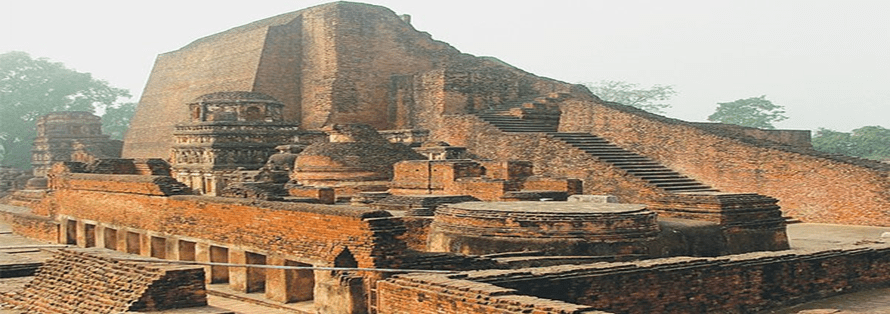
On further investigation I found that there was a process going on for renovation of the famous Nalanda University. It is an enterprising 455-acre site in Rajgir town of Bihar and will be accomplished by 2021/22. The new university intends to reconstruct the knowledgeable rigour of the old university by proposing a multi-disciplinary prospectus which shall include subjects like humanities, economics, Asian amalgamation studies and sustainable development.
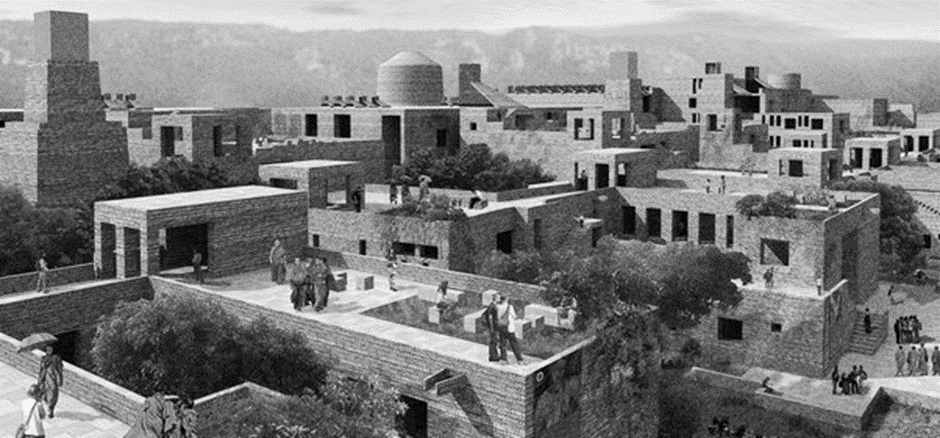
Next, we come to the Takshashila University. Its time period ranged from 600 BC to 500 AD.
The great city of Takshashila was founded by King Bharat, who was the brother of Lord Ramchandra of Ayodhya. It was built for his son Taksha, but history does not provide any clear references as to who founded this famous University.
This university was not the outcome of a prearranged progress. It is said that it started as a cluster of a limited structures where education was conveyed and slowly amassed more erections and more faculties.
This university became famous around 800 BC and sustained till 500 AD. We come to know that Indians as well as pupils from Babylonia, Greece, Syria, Arabia, Phoenicia and China came to study at this university. The syllabus comprised of 68 different streams of knowledge and subjects like Vedas, Language, Grammar, Philosophy, Medicine, Surgery, Archery, Politics, Warfare, Astronomy, Astrology, Accounts, Commerce, Futurology, Documentation, Occult, Music, Dance, etc. were taught here. The minimum age to enter for pupils was sixteen and it boasted of having nearly 10,500 students at a time. Chanakya wrote Arthashastra which was an antique Indian dissertation on fiscal policy and martial strategy when he was a teacher here. This university had scholars like Maharishi Charak who composed the medical dissertation known as the Charak Samhita. Panini the esteemed Sanskrit intellectual and syntactician shaped his best work named Ashtadhyayi (eight chapters) which was a complex rule-based grammar book of the Sanskrit language in Takshashila. This work continues in its wholeness to this day.
Takshashila was destroyed by the Huns. There seemed to be no specific purpose for their destruction of Takshashila. Huns just prized to terminate whatever came in their way.
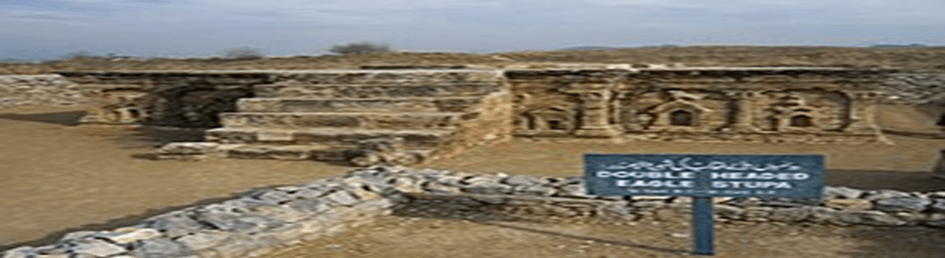
Vikramshila University- This university ranges from 800 AD to 1203 AD.
One of the most important centres of learning in India other than Nalanda was the Vikramshila University. The King of the Pala Dynasty, Dharmapala set up this university in the late 8th or early 9th century. This was in response to a hypothetical deterioration in the quality of scholarship at Nalanda. Vikramashila University wanted to resuscitate its ancient status on the lines of the Nalanda University. This Universitywas considered to be one of the two most important centres of Buddhist learning in India during the time of the Pala empire, along with Nalanda University.
It was one of the major Buddhist universities and boasted of more than hundred teachers and about one thousand students. It shaped renowned intellectuals who were often requested by foreign countries to spread Buddhist education, philosophy and faith. The subjects which were taught here were spirituality, philosophy, grammar, metaphysics, logic etc. Tantrism was considered its most important branch of learning.
This university continued for four centuries. Thereafter it was destroyed during the 12th century in 1193. It was attacked by Bakhtiyar Khilji who belonged to the Delhi Sultanate. The remains of this university are found near Antichak in Bhagalpur district of Bihar.

Vallabhi University – This University ranges from 600 AD to 1200 AD
In Saurashtra which is today in modern Gujarat Vallabhi University was built in the 6th century and it thrived for 600 years till the 12th century. It was considered to be an important centre of Buddhist learning. Vallabhi was considered to be the capital of the Maitraka Empire. It was also famous for international trade
The central government in India started to consider a proposal in the month of September 2017, to revive the ancient university.
Valabhi is known to have supported the cause of Nikaya Buddhism which originated from Pudgalavada Sammitiya school which was neither restricted nor narrow-minded in outlook. Along with the doctrines of Buddhism, we are told that Brahmanical sciences were also taught here. The courses taught here along with religious sciences were Political Science, Business and Agriculture, Statesmanship and Administration, Religious thoughts and Buddhist philosophy, Law, Economics and Accountancy.
The Kings appointed the students who graduated from this university to run their governments.
Chinese pilgrim Xuanzang and Yijing visited Vallabhi in the 7th century and they labelled the university to be as good as Nalanda. During their visit the university had around 6000 monks who were pursuing their studies and about 100 monasteries were present for their accommodation. The Kings of Maitraka Dynasty were the patrons and provided grand funds for this university and for the libraries.
The Maitraka Dynasty was attacked by the Arabs in 775 CE and ultimately with the decline of the Kings, slowly the Grand University met a slow death of all its educational activities.
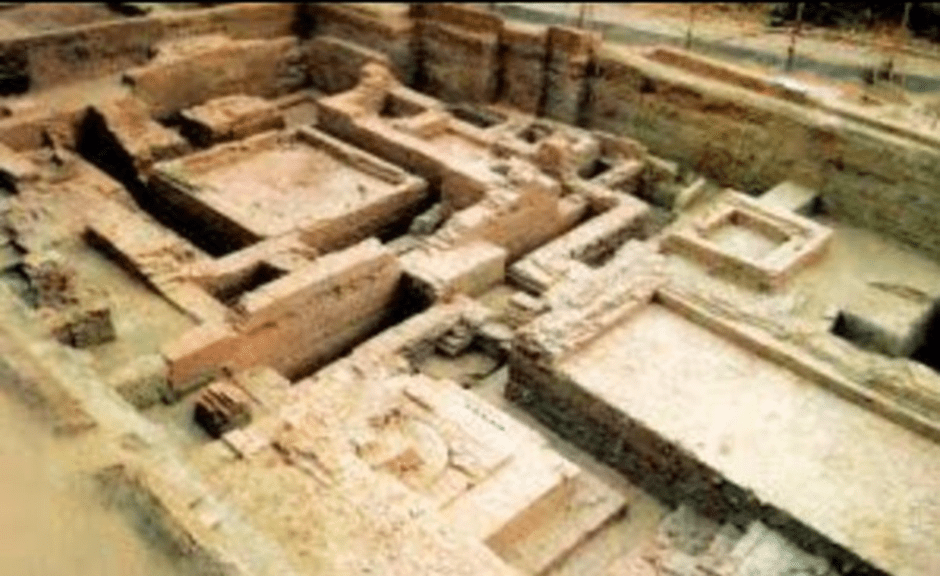
Pushpagiri University – It ranges from 2nd Century BC to 11th Century BC
The university was located on the Kumara parvatha, also known as the Pushpagiri or Subramanya hills. It was considered to be the second highest peak of Kodagu and it was considered the fourth highest peak of Karnataka. It was located about 22 miles from Somwarpet and about 0.93 miles from Kumaralli. It was located among dense jungles.
It was a major Buddhist center of higher education in ancient India. Today we can find the remains in the Langudi hills of the Mahanadi Delta in the districts of Odhisha of Jaipur and Cuttack. We find its mention as Pushpagiri Mahavihara in the Tibetian writings of the Mediaeval period.
The university is laid out over three main properties on tops of three hills which are next to to each other namely, Lalitgiri, Ratnagiri and Udayagiri. These three structures are known as the “Diamond Triangle“.
The remains of Pushpagiri were discovered in1995. It was stumbled upon by a lecturer from a local college. Thereafter the mission of unearthing Pushpagiri’s ruins, which stretched over 58 land hectares, was taken up by the Odisha Institute of Maritime and southeast Asian Studies between 1996 and 2006. The work is still in progress by the Archaeological Survey of India.
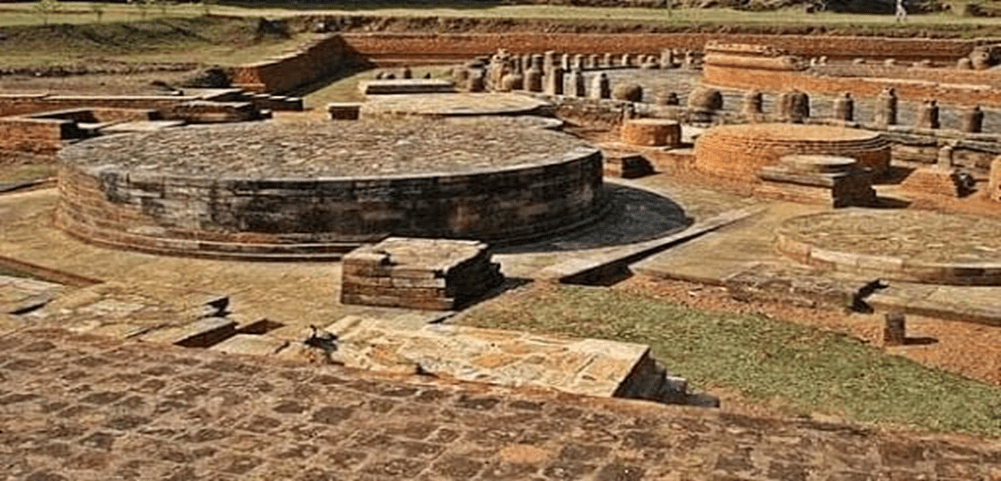
Jagaddala University- It ranges from 1084 AD to 1207 AD
The Jaggadala Vihara was in Varendrabhumi which is now known as Bangladesh. It was an important centre of learning in the early 11th century and was established by King Kampala, whose rule ranged from 1084 to 1130 A.D. Jagaddala University had many sacred Sanskrit texts which were translated in Tibetian language Nobody is aware of the reason for this university becoming extinct but obviously must be due to foreign invasion around 13th century. Presently excavation site of this university is located at north west of Bangladesh.
This University majorly specialized in Vajrayana Buddhism. A large number of texts that later appeared in the Tibetian Buddhist Canon Kangyur and Tengyur were known to have been composed at this university. It is specifically said that it is very likely that the earlier ancient anthology of the Sanskrit verse named Subhasitaratnakosa was compiled by Vidyakara at Jaggadala University towards the beginning of 12th century or at the end of the 11th century.
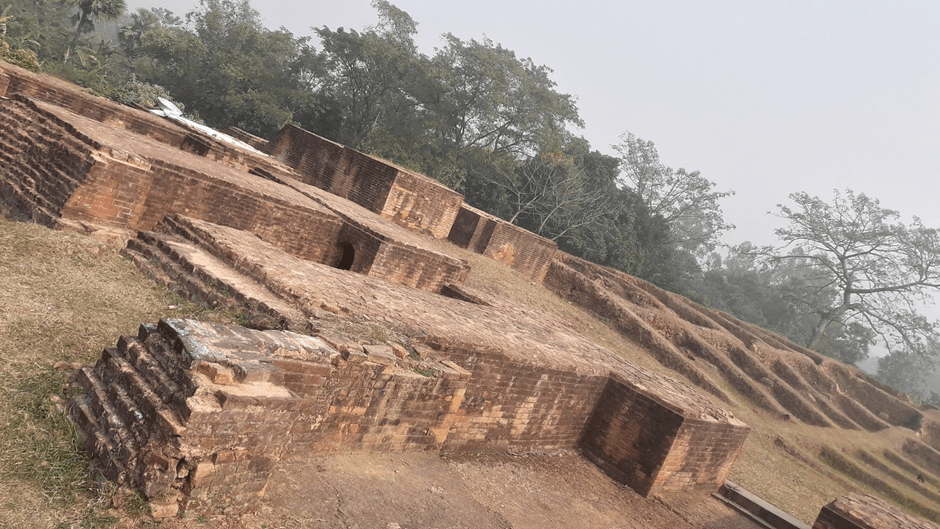
Nagarjuna Vidyapeeth- 600 AD
This University was founded by the famous Buddhist Expert and Truth-seeker Acharya Nagarjuna on the banks of river Krishna in the 7th century. It was a great centre of knowledge. It attracted great number of educators and pupils form distant parts of the world.
Nagarjuna was the profounder of the Madhyamika Buddhism. He was considered as one of the greatest Indian philosophers. People of China, Japan and Tibet who follow Buddhism refer to him as the Second Buddha. It is said that he once again set the wheel of Dharma into motion. He reiterated the basic ideas of Buddhism. He was gifted with metaphysical understanding and had rational insight.
He fixated on the essential glitches of human survival, objectives and activities. He found answers for them through instinct and philosophical thought.
This famous Acharya Nagarjuna University has successfully accomplished three decades of its existence and maybe the only ancient University which transformed and amalgamated into modern times to see the light of the day.
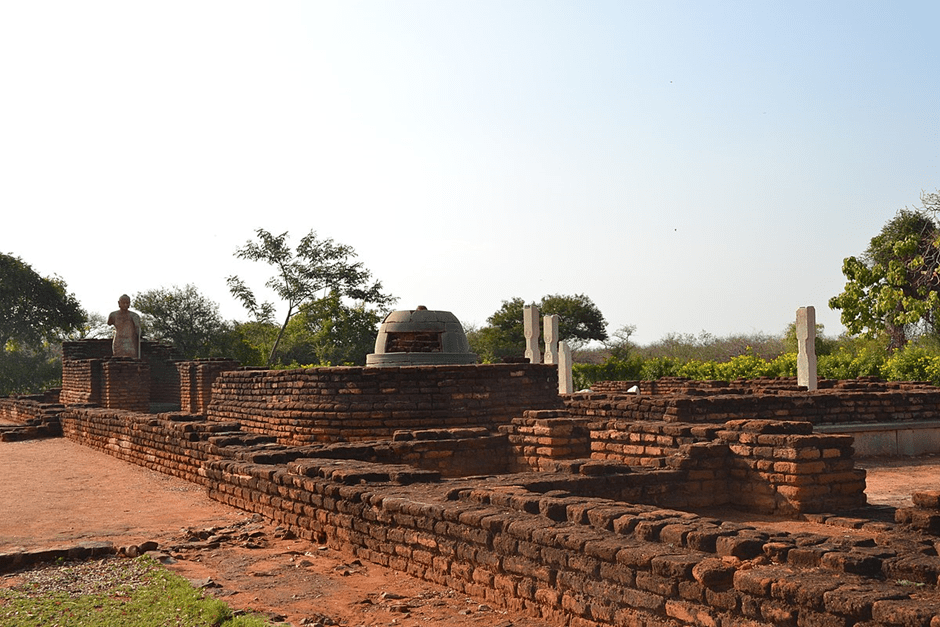
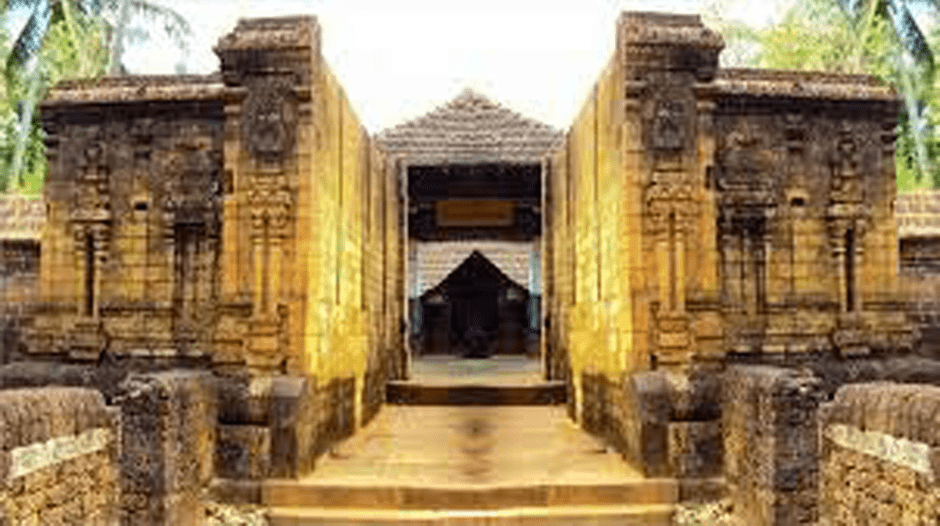
Kanthalloor Sala – It ranges from 9th to 12 centuries. is believed to have existed between the 9th and 12th centuries.
Kanthalloor Sala was exclusive because atheism was taught there as a subject. The Charvaka religion, which was offensive and unmentionable, a taboo in Nalanda, was taught here. The pupils were imparted training in artillery and a firm instructive and disciplinal code was obligatory in the precincts. Physical penalties were barred and anyone tangled in such acts would be fined. Even followers involved in scuffles would be fined.
This university was known as the Nalanda of the South. It was in ancient times a famous center of knowledge and due to the excellence in schooling provided, it fascinated intellectuals from other parts of India and Sri Lanka. The diversity of subjects set this university apart from other ancient Indian universities.
Subjects like Vedas, Fortune-telling, Chemistry, Goldsmithy, Medicine, Music was taught along with Atheism and Magic which were considered to be taboo in other universities. This university taught 64 different branches of knowledge. It is over 1,000 years old, and is one of the oldest instructive establishments of the country.
It was eventually destroyed due to the frequent attacks by the Chola dynasty.
Why should we study ancient history?
Somebody may say why are we reading this blog on destroyed ancient universities? What is the purpose?
It is very true and factual that the problems of the present may seem to be very distant and not related to the ancient India. But study of our ancient history will give us an insight of the present-day India.
We will come to know about the exact nature and impact of different cultural and religious developments in India through times, India’s responses to various complex, social and economic challenges and also issues of justice, discrimination and violence which are not restricted to modern times but were very much a part of our ancient India as well.
Sometimes ancient history will act as an eye opener for all. We prefer to wear blinders which prevents us from seeing what is happening around us and prefer not to react or comment as we feel it is not our problem. A parable or a fable or a movie like “The Tashkent Files” or “The Kashmir Files” or “Parzania” can vividly open our eyes and make us feel empathy for all Indians to whom India is a homeland. So, we should surely study the ancient history of our country.
The question still remains as to where can we now look for unchangeable facts? The earliest truth-seekers were concerned about the same queries that trouble us today and they got and provided answers that should rise over even the most earnest nonbelievers. Not only do they provide articulated principled advices, but many present-day India’s problems could have been solved if we had their acumen and understanding and depth of knowledge.
I end by saying that ‘To understand the present, we have to know the past, so that we can prepare ourselves for the future’.

 Art Of Teaching
Leave a reply to Varad Cancel reply